
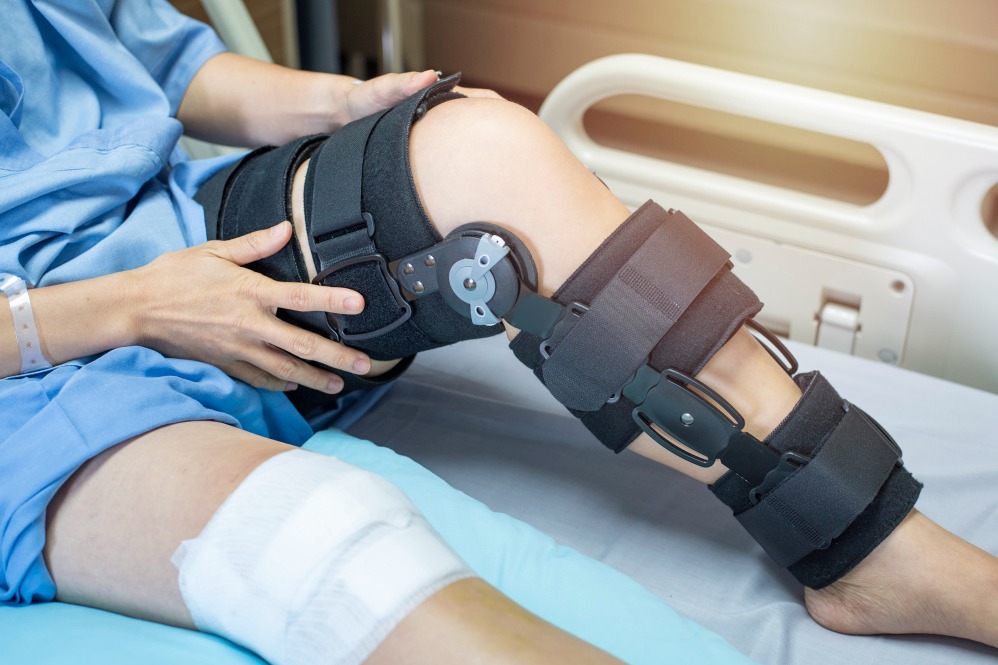
Fractures and serious orthopedic injuries require decisions that can influence alignment, joint function, mobility, and rehabilitation. Unlike slowly developing orthopedic problems, trauma often requires assessment within a much shorter clinical timeframe.
Choosing an orthopedic trauma doctor in Nagpur therefore involves more than finding someone who treats broken bones. The nature of the injury, soft-tissue damage, joint involvement, and overall condition of the patient all matter.
Orthopedic Trauma Can Be Complex
Trauma may result from road accidents, falls, workplace incidents, sports injuries, or other high-impact events.
Depending on the situation, injuries may involve:
- Simple or complex fractures
- Joint fractures
- Multiple bone injuries
- Ligament damage
- Dislocations
- Soft-tissue injuries
- Previously treated fractures with ongoing problems
A fracture that enters a joint, for example, can require different planning from a straightforward stable fracture.
What Happens During Assessment?
Initial evaluation focuses on understanding the mechanism of injury and examining the affected limb.
X-rays commonly provide essential information about fracture location and alignment. CT or other imaging may be required for selected complex injuries.
Doctors also consider circulation, nerve function, swelling, skin condition, and associated injuries before determining treatment.
Surgery Is Not Required for Every Fracture
Some stable fractures can heal with immobilisation and appropriate monitoring. Other injuries require surgical fixation to restore or maintain acceptable alignment and stability.
The decision depends on the fracture pattern, displacement, joint involvement, patient factors, and the condition of surrounding tissues.
This is why two patients with fractures in approximately the same region may receive different treatment recommendations.
Questions Worth Asking
When circumstances allow, patients and families can ask:
- What type of fracture has occurred?
- Is the joint involved?
- Why is surgery or non-surgical treatment recommended?
- What movement or weight-bearing restrictions will apply?
- How will healing be monitored?
- What rehabilitation is expected?
Dr. Girish Motwani evaluates orthopedic injuries with attention to fracture characteristics, limb function, associated tissue damage, and recovery requirements.
For residents of Nagpur and patients travelling from surrounding parts of Vidarbha and Maharashtra, continuity from injury assessment through follow-up and rehabilitation can be an important consideration.
Selecting an orthopedic trauma doctor in Nagpur should ultimately focus on clear diagnosis, appropriate fracture management, structured follow-up, and a rehabilitation plan suited to the injury.
Good trauma care is not finished when a fracture is stabilised. Monitoring healing and gradually restoring safe movement are also important parts of the recovery process.