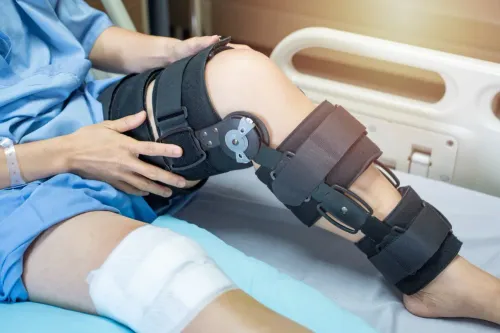
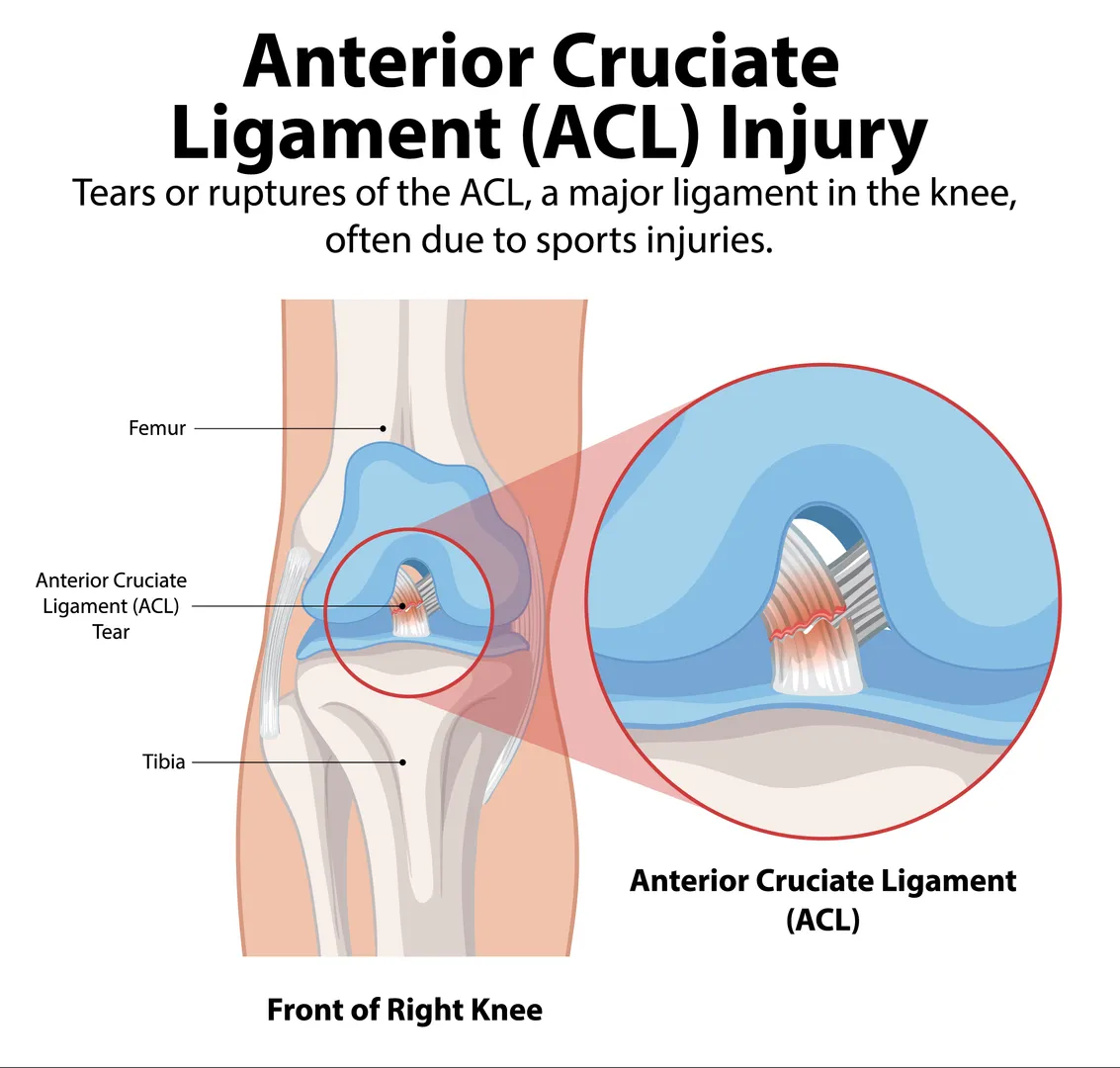
A sudden twist while playing football, an awkward landing during basketball, or a road accident can result in one of the most significant knee injuries—the anterior cruciate ligament (ACL) tear. For individuals with severe ligament damage, consulting an ACL reconstruction surgeon in Nagpur helps determine the most appropriate treatment and recovery plan.
The ACL is one of the primary ligaments that stabilizes the knee joint. When it tears, patients often experience instability rather than pain alone. Many describe hearing or feeling a 'pop' at the time of injury, followed by swelling and difficulty walking.
Common symptoms of an ACL injury include:
- Sudden knee swelling
- Knee instability
- Difficulty changing direction while walking
- Pain during movement
- Limited range of motion
- Feeling that the knee may give way
Not every ACL injury requires immediate surgery. Treatment depends on several factors, including the patient's age, occupation, activity level, degree of instability, and future physical goals.
Non-surgical management may be suitable for individuals with lower activity demands and stable knees. This often includes:
- Physiotherapy
- Muscle strengthening
- Balance training
- Activity modification
- Knee bracing where appropriate
However, surgery may be recommended for active individuals, athletes, or patients with persistent instability that interferes with daily activities.
Before recommending ACL reconstruction, orthopedic specialists conduct a comprehensive assessment that includes physical examination, MRI imaging, and evaluation of associated injuries such as meniscus tears or cartilage damage.
Dr. Girish Motwani assesses each ACL injury individually instead of recommending the same treatment for every patient. Factors such as sporting requirements, professional responsibilities, overall health, and rehabilitation commitment are carefully considered before planning treatment.
Recovery after ACL reconstruction requires patience and structured rehabilitation. Surgery restores stability, but successful outcomes depend heavily on physiotherapy. Rehabilitation typically progresses through several stages:
- Controlling pain and swelling.
- Restoring knee movement.
- Strengthening surrounding muscles.
- Improving balance and coordination.
- Gradually returning to sports or strenuous activity.
Returning to high-impact sports before complete rehabilitation increases the risk of reinjury. Patients should always follow their orthopedic surgeon's guidance regarding activity levels and recovery milestones.
Preventing ligament injuries is equally important. Proper warm-up routines, strength training, flexibility exercises, correct sports techniques, and neuromuscular conditioning all help reduce ACL injury risk.
Whether you are a competitive athlete or someone who enjoys recreational fitness, persistent knee instability should never be ignored. A timely orthopedic assessment provides a clear diagnosis and helps determine whether rehabilitation alone or surgical reconstruction offers the best opportunity for long-term knee function.
Keywords