
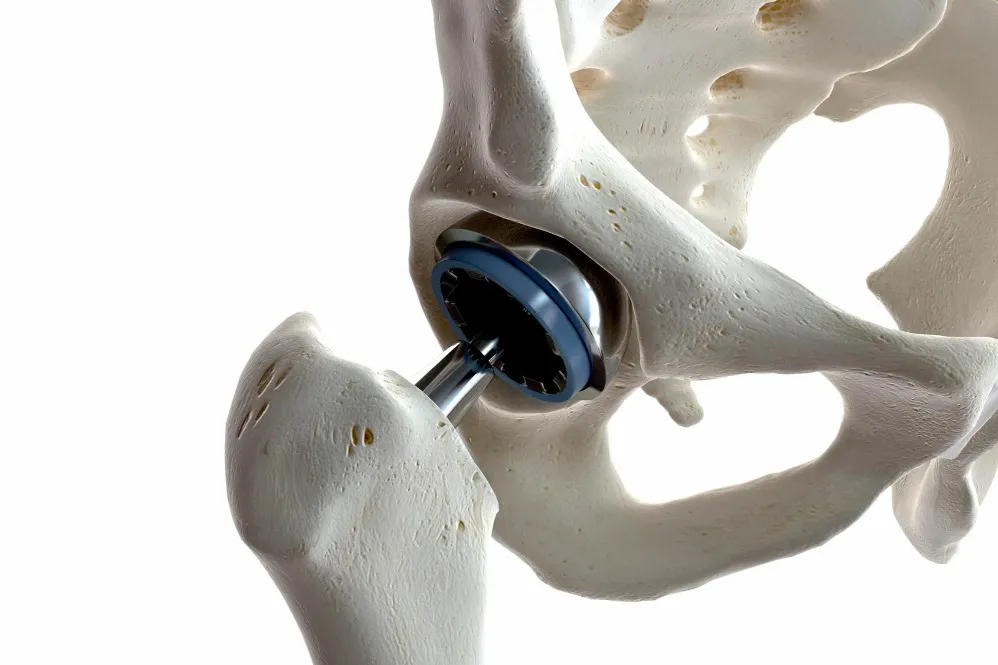
Hip pain can develop gradually or occur suddenly after an injury, making everyday activities such as walking, sitting, climbing stairs, or even sleeping uncomfortable. While occasional soreness may improve with rest, persistent pain deserves medical attention. Consulting a hip replacement doctor in Nagpur can help identify the exact cause and determine the most suitable treatment before the condition worsens.
The hip joint is one of the strongest weight-bearing joints in the body. It supports movement in multiple directions while absorbing the stress of daily activities. Because of its constant use, the joint is susceptible to age-related wear, arthritis, fractures, and sports injuries.
Some of the most common causes of hip pain include:
- Osteoarthritis
- Rheumatoid arthritis
- Hip fractures
- Bursitis
- Tendon injuries
- Muscle strain
- Avascular necrosis
- Labral tears
Many patients assume surgery is the only solution for hip problems. In reality, orthopedic specialists usually begin with conservative treatment whenever appropriate. Depending on the diagnosis, treatment may include pain management, physiotherapy, strengthening exercises, lifestyle modifications, and assistive devices to improve mobility.
However, surgery may be considered when:
- Pain persists despite medication and physiotherapy
- Walking becomes increasingly difficult
- Daily activities are significantly restricted
- Hip stiffness limits movement
- Imaging shows advanced joint damage
- Pain affects sleep and overall quality of life
With an aging population and increased awareness of orthopedic care, many residents of Nagpur are seeking medical advice earlier instead of waiting until symptoms become disabling. Early diagnosis often provides more treatment options and may delay the progression of joint damage.
Dr. Girish Motwani carefully evaluates every patient before discussing hip replacement surgery. Age alone is never the deciding factor. The severity of symptoms, imaging findings, medical history, physical activity level, and overall health are all considered before recommending the most appropriate course of treatment.
Recovery from hip replacement has advanced considerably over the years. Structured rehabilitation, guided physiotherapy, muscle strengthening, and gradual return to daily activities help many patients regain confidence and mobility. Following the rehabilitation plan is equally as important as the procedure itself.
Preventive measures also play an important role in preserving hip health. Maintaining a healthy body weight, engaging in regular low-impact exercise, improving balance, and addressing minor hip pain early can reduce excessive stress on the joint.
Hip pain should never be ignored simply because it develops slowly. A timely orthopedic assessment helps identify the underlying condition and allows treatment to begin before mobility becomes severely affected. Whether the solution involves conservative care or surgery, informed medical guidance remains the foundation of long-term joint health.
Keywords