A slight difference in shoulder height or an uneven waistline can sometimes be dismissed as posture. In certain cases, however, these changes may indicate scoliosis—an abnormal sideways curvature of the spine that also involves rotational changes.
A scoliosis specialist in Nagpur evaluates more than how the back looks. Age, curve pattern, skeletal maturity, symptoms, progression, and overall spinal balance all influence management decisions.
What Signs Can Suggest Scoliosis?
Scoliosis may be noticed during childhood or adolescence, although adults can also have spinal curvature.
Visible signs can include:
- One shoulder appearing higher
- One shoulder blade being more prominent
- Uneven waist contours
- One hip appearing higher
- The body leaning to one side
- Rib prominence when bending forward
Some people have little or no pain, particularly during adolescence. Adults with spinal curvature may present differently, including with back discomfort or symptoms associated with degenerative spinal changes.
What Happens During Evaluation?
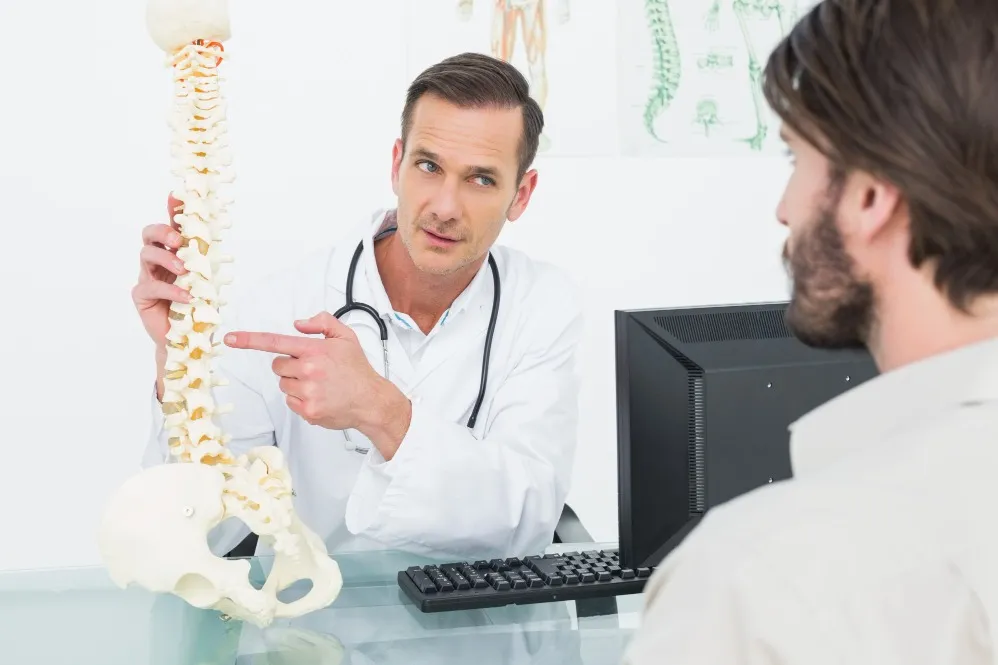
The assessment usually starts with a physical examination. Standing posture, shoulder and pelvic alignment, spinal balance, and the appearance of the back while bending forward may be checked.
Standing spinal X-rays can help determine the type and magnitude of curvature. The Cobb angle is commonly used to measure scoliosis on radiographs.
For younger patients, remaining skeletal growth is also important because a curve that develops before growth is complete may behave differently from a similar curve in a fully grown adult.
Is Treatment Always Necessary?
Not every scoliosis diagnosis leads to active treatment.
Small, stable curves may simply need observation. In growing children or adolescents, selected curves may require bracing. Exercise and physiotherapy may form part of management in appropriate cases, particularly for conditioning, posture, and functional concerns.
Surgical treatment is generally reserved for selected situations based on factors such as curve severity, progression, symptoms, spinal balance, and individual clinical circumstances.
Why Monitoring Can Be Important
The key question is often not merely, 'Is there scoliosis?' but 'Is the curve changing?'
Regular assessment during periods of rapid growth can help identify progression. Adults may require evaluation when a known curvature becomes painful or begins affecting function.
Families in Nagpur and other parts of Maharashtra therefore benefit from understanding the diagnosis rather than assuming that every spinal curve requires the same treatment.
Dr. Girish Motwani evaluates spinal conditions by considering clinical findings alongside appropriate imaging and individual functional requirements.
Consultation with a scoliosis specialist in Nagpur can provide clarity about the type of curvature, its current severity, the likelihood of progression, and whether observation or active treatment is appropriate.
Keywords