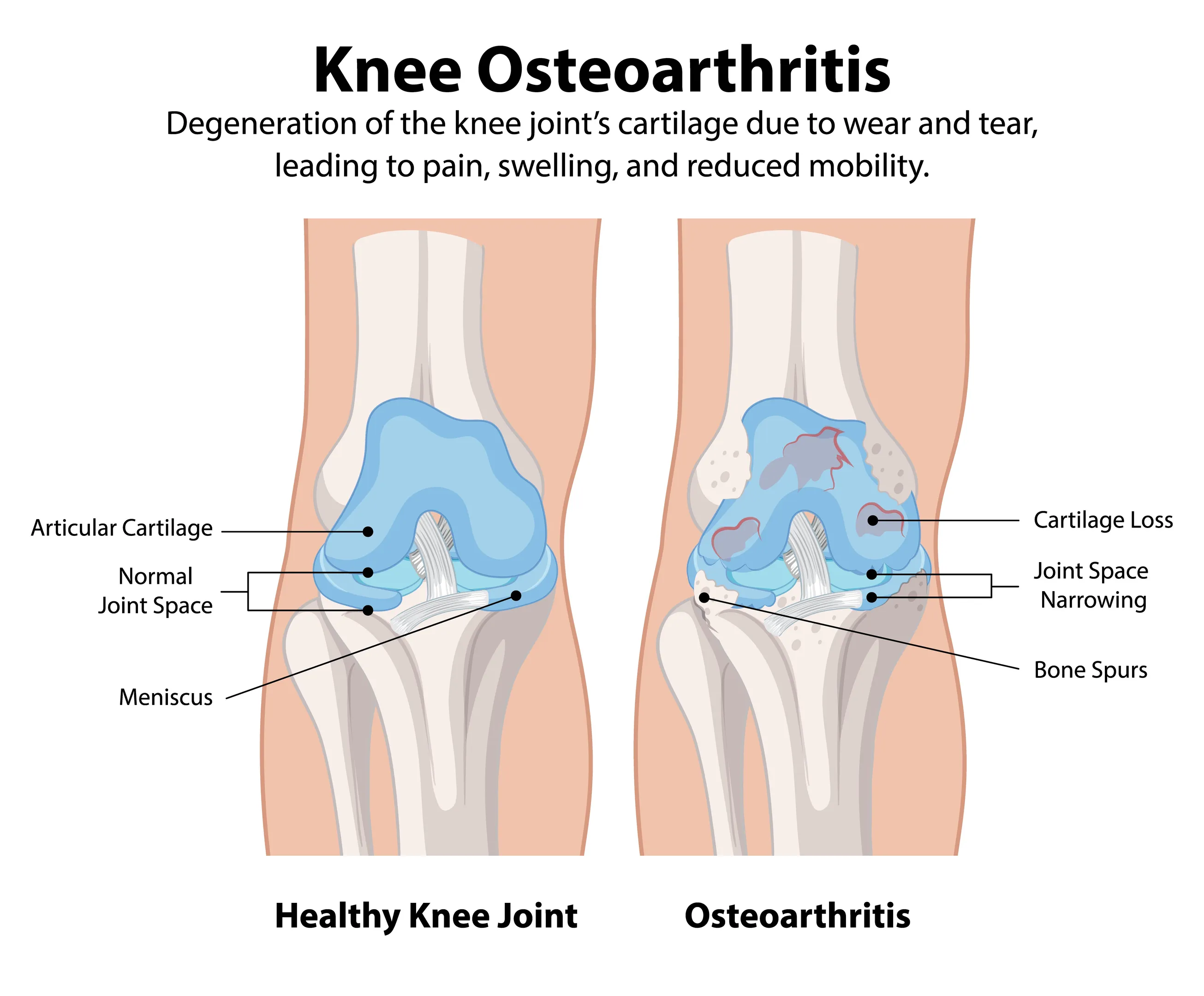
Osteoarthritis is one of the most common joint disorders affecting adults, especially after the age of 45. It develops gradually as the protective cartilage between joints wears down, causing pain, stiffness, and reduced movement. Seeking osteoarthritis treatment in Nagpur at the right time can help manage symptoms effectively and slow the progression of the condition.
Many people assume that osteoarthritis is an unavoidable part of aging. While age is a major risk factor, the condition is also influenced by body weight, previous joint injuries, genetics, occupation, and physical activity levels. Understanding these factors allows individuals to take preventive measures before symptoms become severe.
The early signs of osteoarthritis often include:
- Joint pain after physical activity
- Morning stiffness lasting less than 30 minutes
- Mild swelling around affected joints
- Clicking or grinding sensations
- Reduced flexibility
- Difficulty climbing stairs or standing for long periods
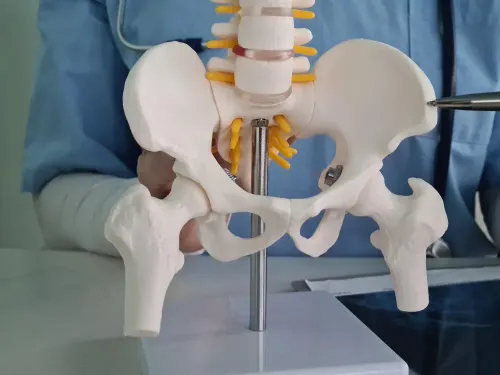
The knees, hips, hands, and spine are the joints most commonly affected. Because symptoms usually develop slowly, many people delay seeking medical attention until daily activities become difficult. Early evaluation, however, provides more treatment options and may reduce long-term joint damage.
Diagnosis usually involves a combination of medical history, physical examination, and imaging studies such as X-rays. In some cases, additional investigations may be recommended to rule out other joint disorders.
Treatment depends on the severity of the condition and the patient's overall health. Most people benefit from a combination of approaches, including:
- Regular low-impact exercise
- Physiotherapy
- Weight management
- Pain-relieving medication when appropriate
- Joint-strengthening exercises
- Lifestyle modifications to reduce joint stress
Surgery is generally considered only when conservative treatment no longer provides adequate relief and the joint damage significantly affects quality of life.
For people living in Nagpur, maintaining an active lifestyle while protecting the joints is particularly important. Walking, swimming, cycling, and guided strengthening exercises can improve joint function without placing excessive strain on affected areas. Avoiding prolonged inactivity is equally important, as stiff joints often become more painful with reduced movement.
Dr. Girish Motwani evaluates osteoarthritis based on individual symptoms, activity levels, imaging findings, and long-term functional goals. Every patient responds differently, making personalized treatment plans more effective than generalized recommendations.
Managing osteoarthritis also involves daily habits. Wearing supportive footwear, maintaining good posture, avoiding repetitive heavy lifting, and following prescribed rehabilitation exercises can make a significant difference over time. Patients who actively participate in their treatment often experience better mobility and improved comfort.
Although osteoarthritis cannot always be reversed, it can often be managed successfully with timely diagnosis and consistent care. Understanding the condition, seeking medical advice early, and following a comprehensive treatment plan can help individuals remain active and independent for many years.
Keywords