
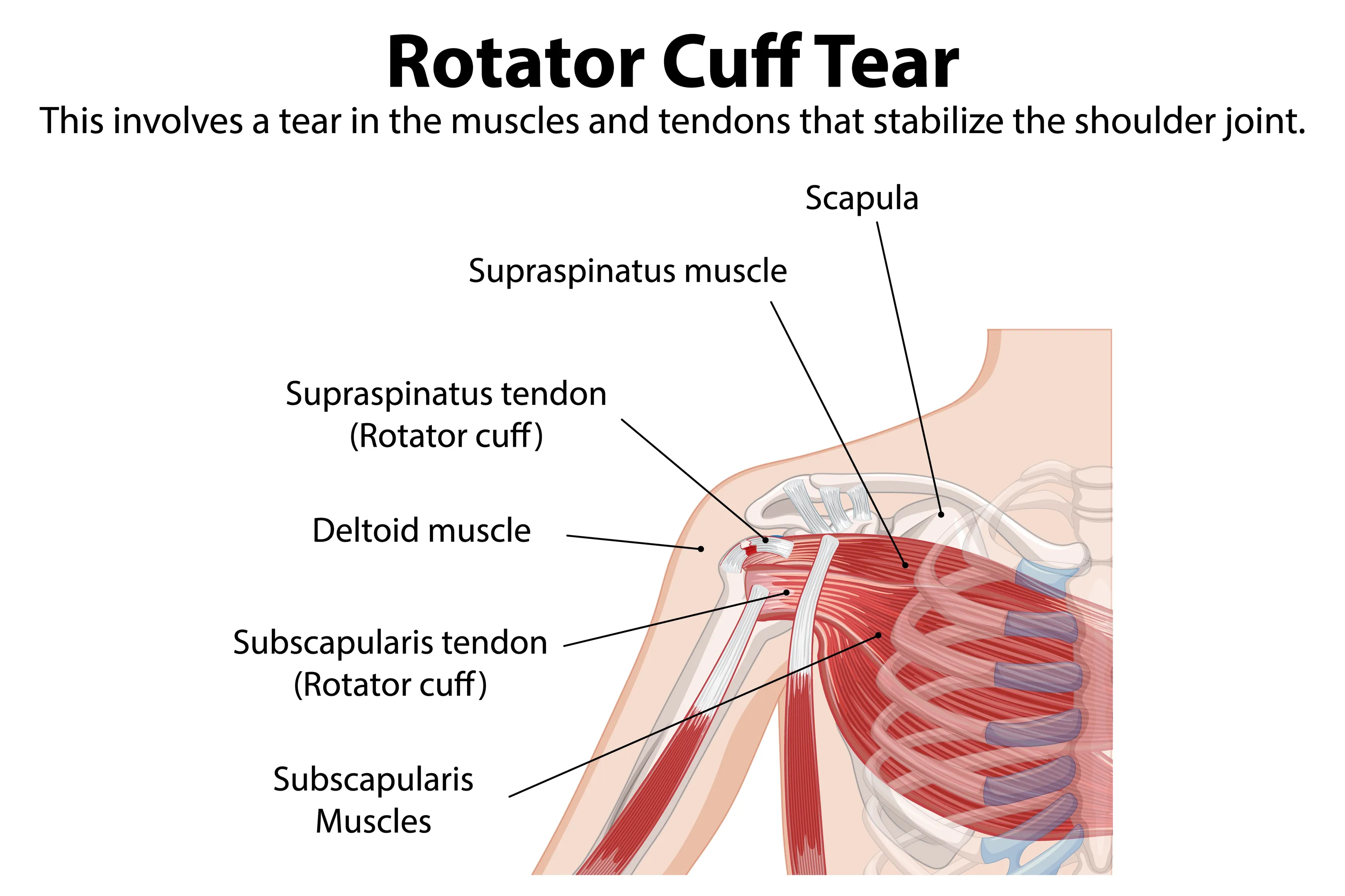
The shoulder is one of the most mobile joints in the human body, allowing us to lift, reach, rotate, and perform countless daily activities. Because of this flexibility, it is also more vulnerable to injuries. Persistent shoulder pain may indicate a rotator cuff injury, making it important to consult a rotator cuff tear doctor in Nagpur before the condition becomes more difficult to treat.
The rotator cuff consists of four muscles and their tendons that stabilize the shoulder joint. These tissues help lift and rotate the arm while maintaining shoulder strength and stability. Damage can occur due to sudden injuries, repetitive overhead movements, or gradual wear associated with aging.
Common symptoms of a rotator cuff tear include:
- Pain while lifting the arm
- Difficulty reaching overhead
- Shoulder weakness
- Pain during sleep, especially when lying on the affected side
- Clicking or catching sensations
- Limited range of motion
Many people initially mistake these symptoms for temporary muscle strain. Continuing daily activities without evaluation may worsen the injury, particularly if the tear progresses over time.
Risk factors for rotator cuff injuries include:
- Repetitive overhead work
- Sports such as badminton, tennis, and cricket
- Aging-related tendon degeneration
- Previous shoulder injuries
- Heavy lifting occupations
Orthopedic assessment begins with a detailed clinical examination. Depending on the symptoms, imaging tests such as ultrasound or MRI may be recommended to determine the extent of tendon damage.
Fortunately, not every rotator cuff tear requires surgery. Partial tears often respond well to:
- Physiotherapy
- Anti-inflammatory medication
- Activity modification
- Strengthening exercises
- Guided rehabilitation
Surgical repair is generally considered for complete tears, persistent weakness, or patients whose symptoms continue despite conservative treatment.
Dr. Girish Motwani evaluates shoulder injuries individually, considering the patient's age, occupation, activity level, severity of symptoms, and functional goals before recommending treatment. This patient-specific approach helps ensure that care is aligned with individual recovery needs rather than following a standard protocol.
Preventing shoulder injuries is equally important. Proper warm-up before sports, strengthening shoulder muscles, improving posture, and avoiding repetitive overhead strain without adequate conditioning can reduce injury risk.
Shoulder pain is often dismissed because people believe it will eventually resolve on its own. While minor strains may heal with rest, persistent weakness or restricted movement deserves medical evaluation. Early diagnosis can improve treatment outcomes, shorten recovery time, and help preserve long-term shoulder function.
Keywords