Orthopedic emergencies can happen without warning. A road accident, sports injury, fall, or workplace incident may cause serious damage to bones, joints, muscles, or ligaments that requires immediate medical attention. Knowing when to consult an emergency orthopedic doctor in Nagpur can help reduce complications and improve recovery outcomes.
Many people are unsure whether an injury is serious enough to require emergency orthopedic care. While minor sprains and bruises often improve with rest, certain symptoms should never be ignored because delaying treatment can worsen the injury.
Seek immediate orthopedic evaluation if you experience:
- Severe pain after trauma
- Visible bone deformity
- Inability to bear weight
- Heavy swelling following an injury
- Open fractures
- Joint dislocation
- Loss of movement
- Numbness or reduced circulation in an injured limb
Prompt assessment allows doctors to stabilize the injury, relieve pain, and prevent additional damage to surrounding tissues. Early treatment also lowers the risk of complications such as poor bone healing, nerve injury, or long-term joint stiffness.
During an emergency orthopedic consultation, the doctor typically performs:
- A physical examination.
- Assessment of circulation and nerve function.
- X-rays or other imaging studies.
- Fracture stabilization if necessary.
- Planning for further treatment or surgery when indicated.
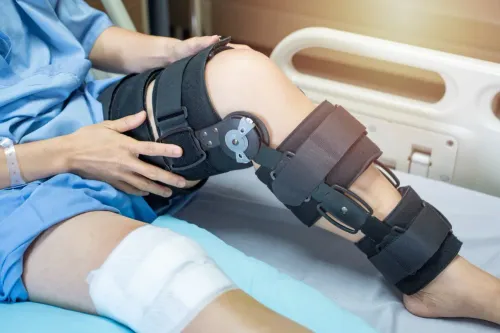
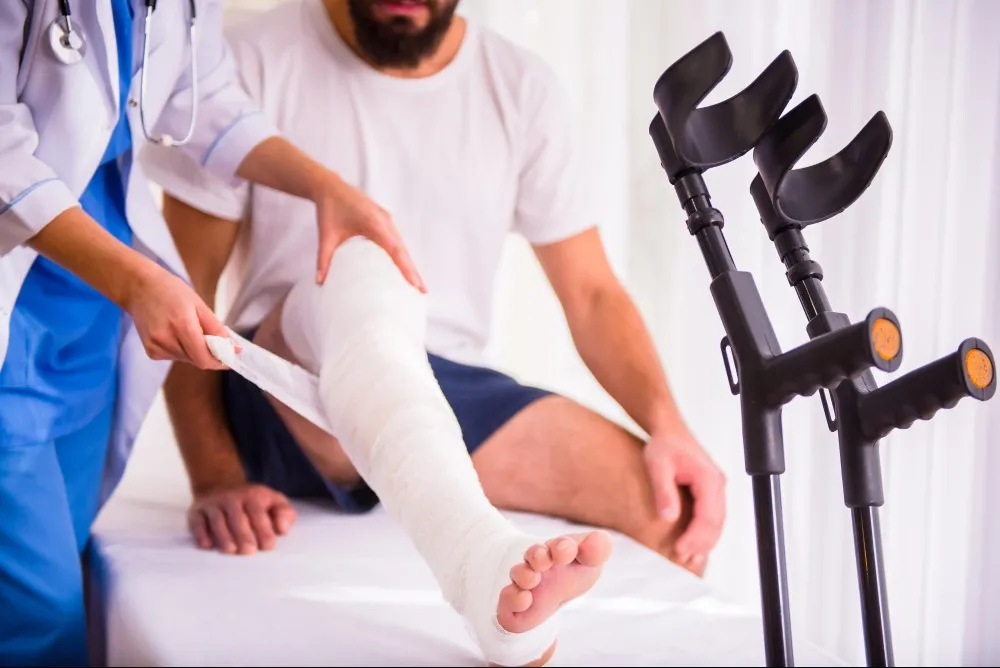
Treatment varies depending on the type and severity of the injury. Some fractures heal well with casts or braces, while others require surgical fixation. Similarly, certain dislocations can be treated immediately, whereas complex injuries may need advanced orthopedic procedures and rehabilitation.
Residents of Nagpur who participate in outdoor sports, travel frequently, or work in physically demanding occupations should be particularly aware of orthopedic emergency signs. Quick access to medical evaluation often plays a significant role in preserving normal function and reducing recovery time.
Dr. Girish Motwani manages a wide range of orthopedic injuries, ensuring that each patient receives a thorough evaluation before an individualized treatment plan is developed. Decisions regarding surgery, immobilization, rehabilitation, or referral are always based on the nature of the injury and the patient's overall condition.
After emergency treatment, rehabilitation becomes an essential part of recovery. Physiotherapy, gradual strengthening, mobility exercises, and regular follow-up appointments help restore movement while minimizing long-term complications. Patients who adhere to rehabilitation programs often achieve better functional recovery.
Accidents cannot always be prevented, but taking practical safety measures can reduce the risk of orthopedic emergencies. Wearing protective sports equipment, following workplace safety guidelines, maintaining good balance and strength, and seeking prompt medical attention after significant injuries all contribute to better musculoskeletal health.
When a serious orthopedic injury occurs, acting quickly is often as important as the treatment itself. Recognizing the warning signs and obtaining timely medical care can protect mobility, support proper healing, and help individuals return to their daily activities safely.
Keywords